 OB FITNESS
Lose weight
Focus on filling, balanced meals and portions you can sustain. Include protein, vegetables and fibre-rich foods, and review trends over time rather than individual weigh-ins.
FREE NUTRITION GUIDE
Everyday food, practical ideas and room for the things you enjoy. A starting point for your goals.
Focus on filling, balanced meals and portions you can sustain. Include protein, vegetables and fibre-rich foods, and review trends over time rather than individual weigh-ins.
Pair regular strength training with enough food and protein spread through your meals. Prioritise consistency, sleep and gradual training progress.
Increase portions gradually rather than forcing a big jump. Add useful energy through rice, oats, potatoes, dairy or alternatives, nuts and olive oil.
Keep a regular meal pattern that supports your activity, appetite and energy. Make small adjustments as your routine changes.
Combine a protein source, carbohydrates, vegetables or fruit and some fats. Keep variety and enjoyment in the picture.
Plan a few go-to meals, keep convenient ingredients available and aim for habits you can repeat. Nutrition guidance is available alongside coaching.
General educational ideas for adults, not a personalised diet or medical nutrition plan. Exact needs depend on the individual.
FROM MY KITCHEN
My food photos, with serving ideas inspired by the meals shown. These are flexible ideas rather than weighed recipes or verified macro calculations.
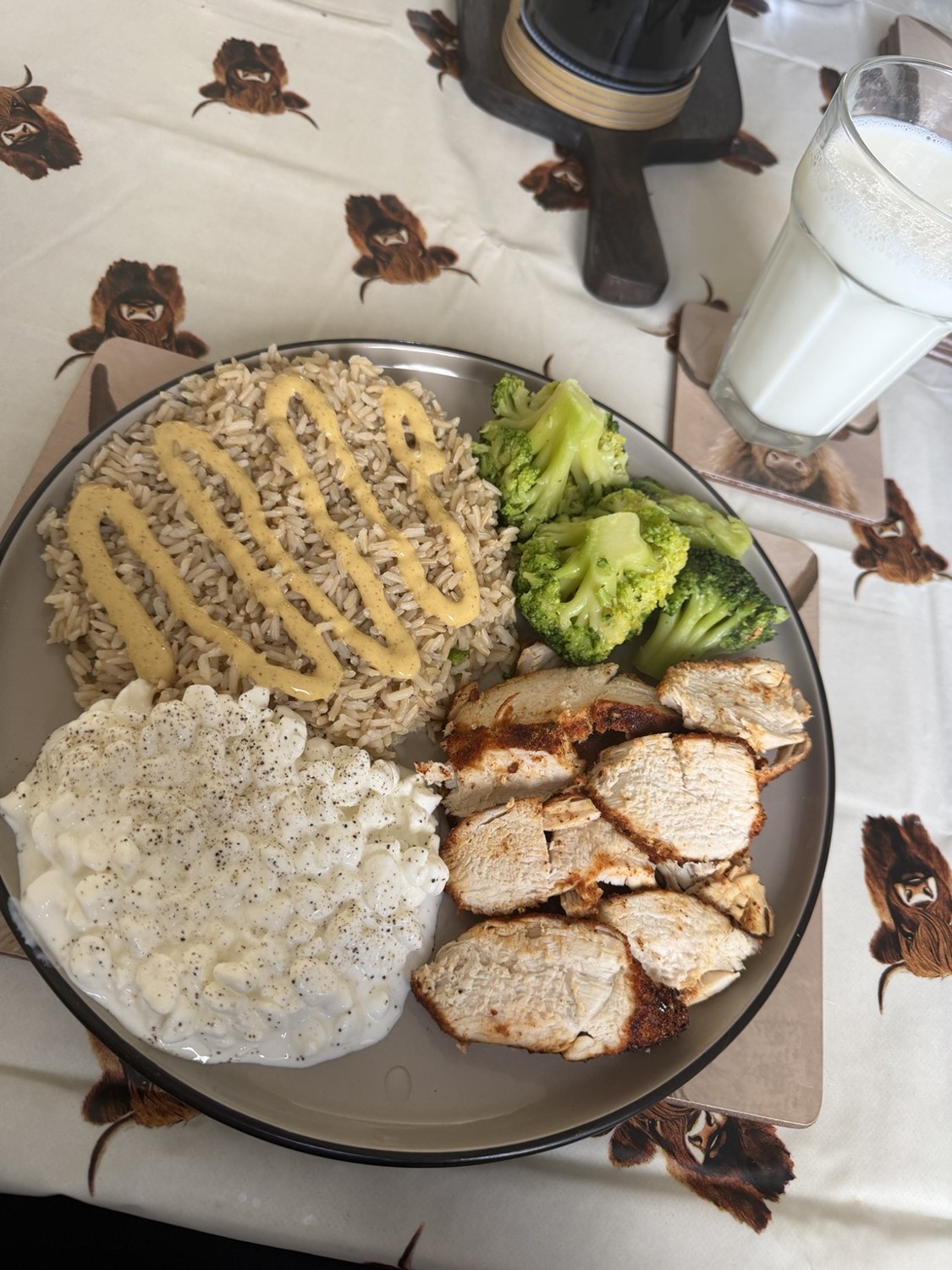
Build your plate with chicken, rice and vegetables. Adjust the rice portion to your appetite and goals.
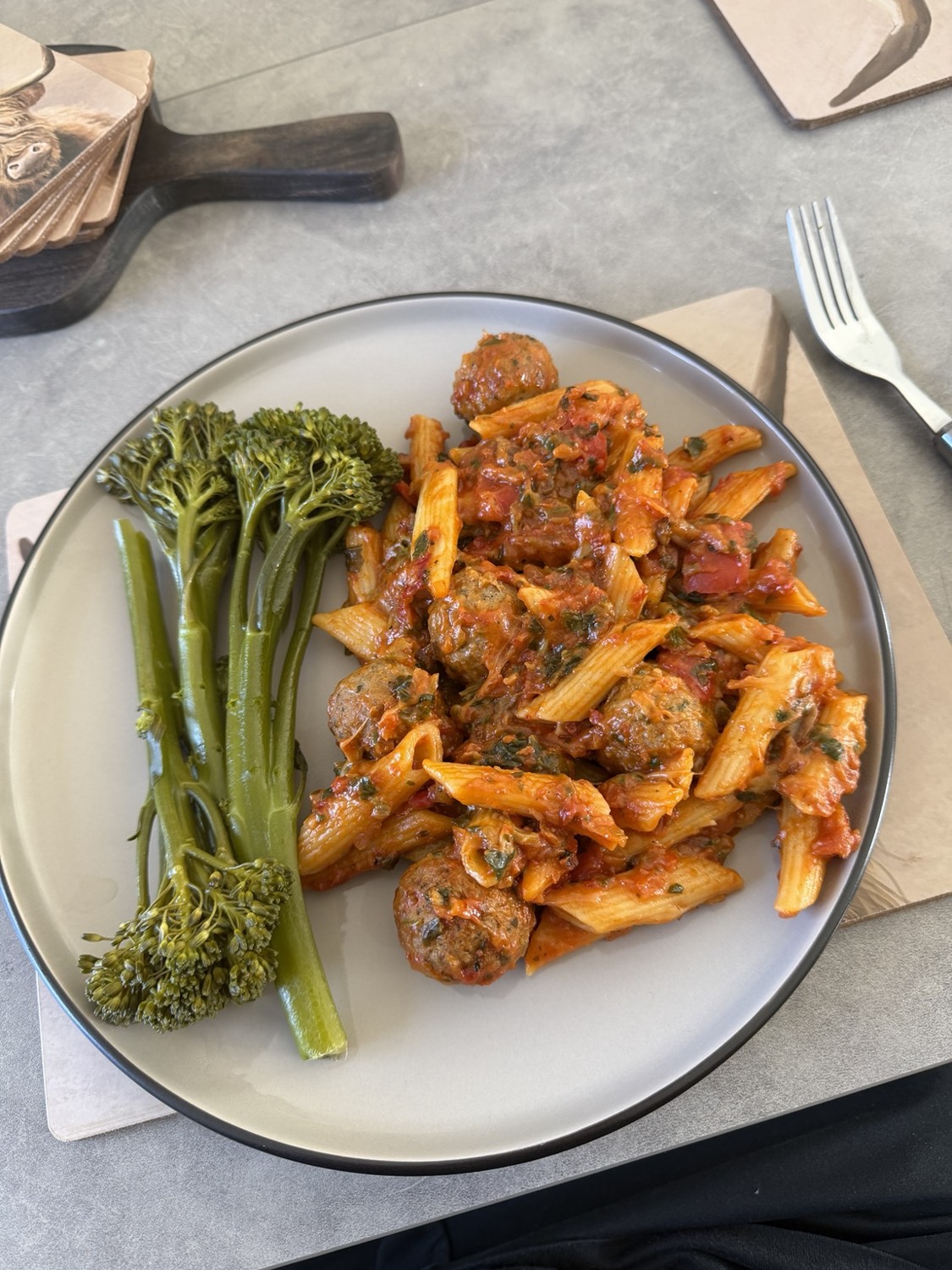
Pair cooked pasta with chicken and broccoli. Add a tomato-based sauce and season to taste.
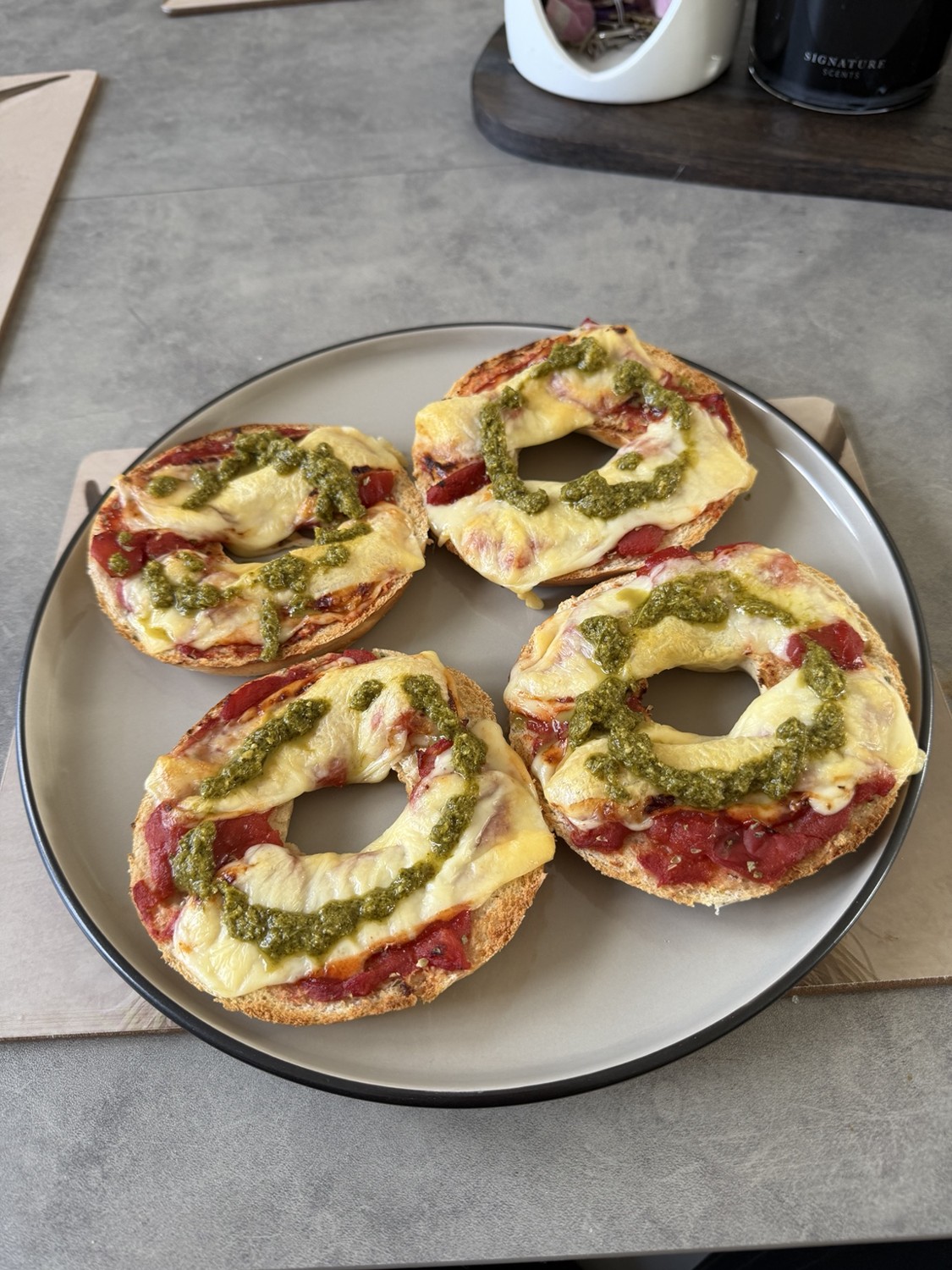
Top bagel halves with tomato, a protein source and a little cheese; toast until hot. Add vegetables you enjoy.
A RECIPE TO TRY · 3 PORTIONS
With broccoli and basmati rice.
Ingredients: 600 g chicken breast, 150 g light cream cheese, 30 g Parmesan, 300 g broccoli, 180 g dry basmati rice, 4 garlic cloves, 150 ml chicken stock, Italian herbs, smoked paprika, salt and pepper.
Recipe from Oskar’s collection. The food photos above illustrate other meals.
My healthy recipe e-book is in the making. More everyday meal inspiration, all in one place.
MORE FROM MY KITCHEN
My own food photos, with flexible meal ideas inspired by each plate. Ingredient amounts and macros vary: these are suggestions, not measured versions of the original meals.
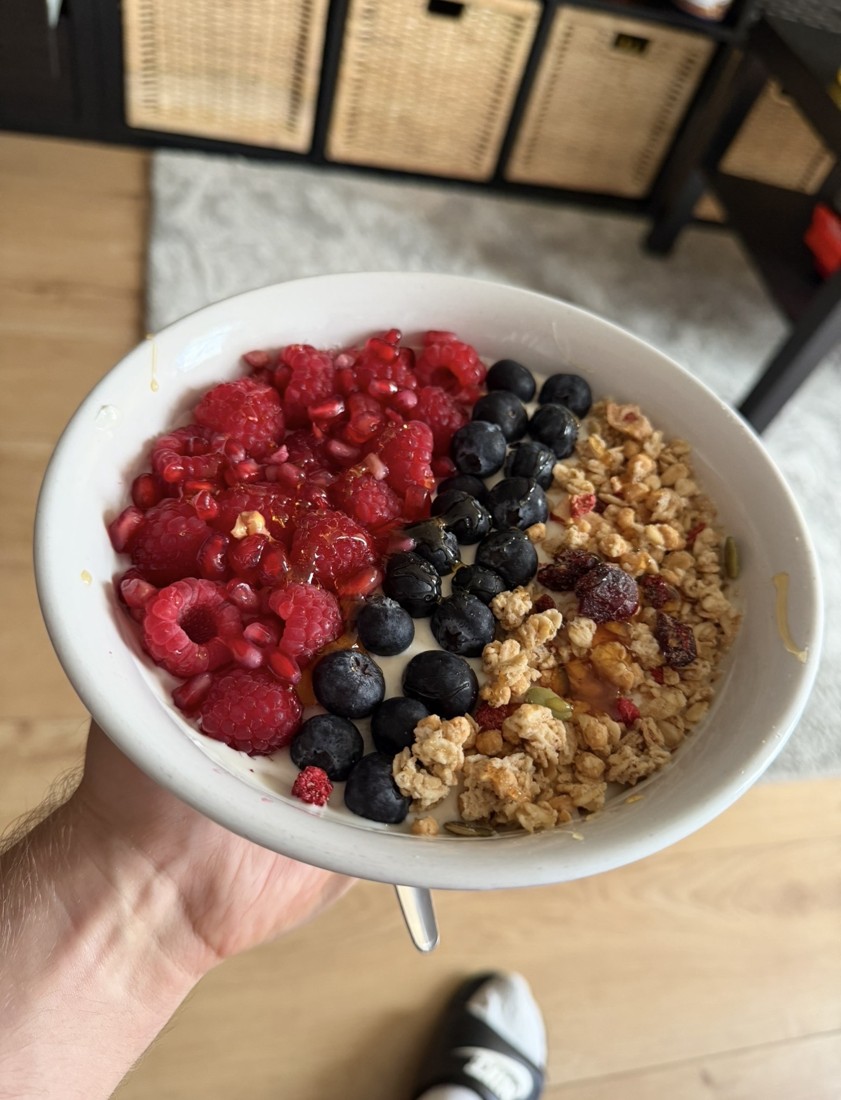
Spoon plain high-protein yoghurt into a bowl, add washed berries and finish with granola. Add a small drizzle of honey if you like.
Use extra berries for volume; increase yoghurt to add protein, or increase granola when you need more energy.
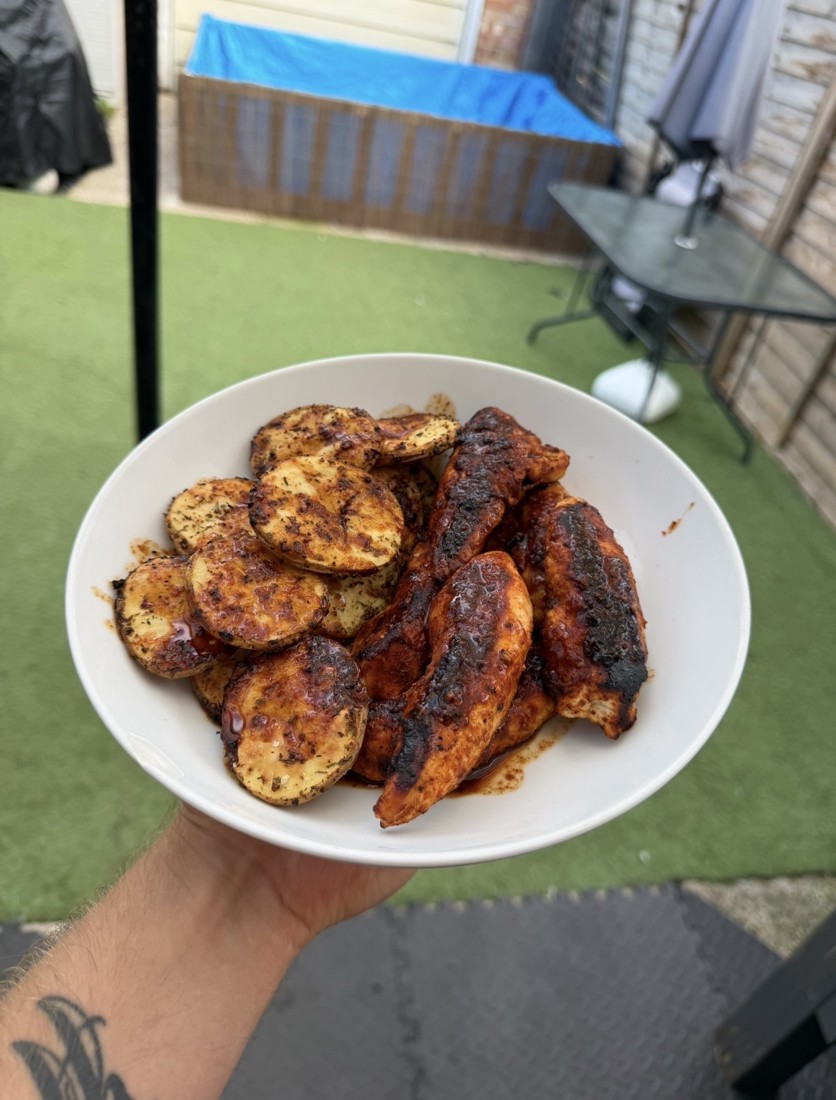
Season chicken with smoked paprika, onion granules and your favourite herbs. Slice potatoes, season with garlic and rosemary, then roast or air-fry until tender. Cook chicken thoroughly and serve with vegetables.
Keep the chicken and vegetables consistent, then adjust the potato portion to your appetite, activity and goals.
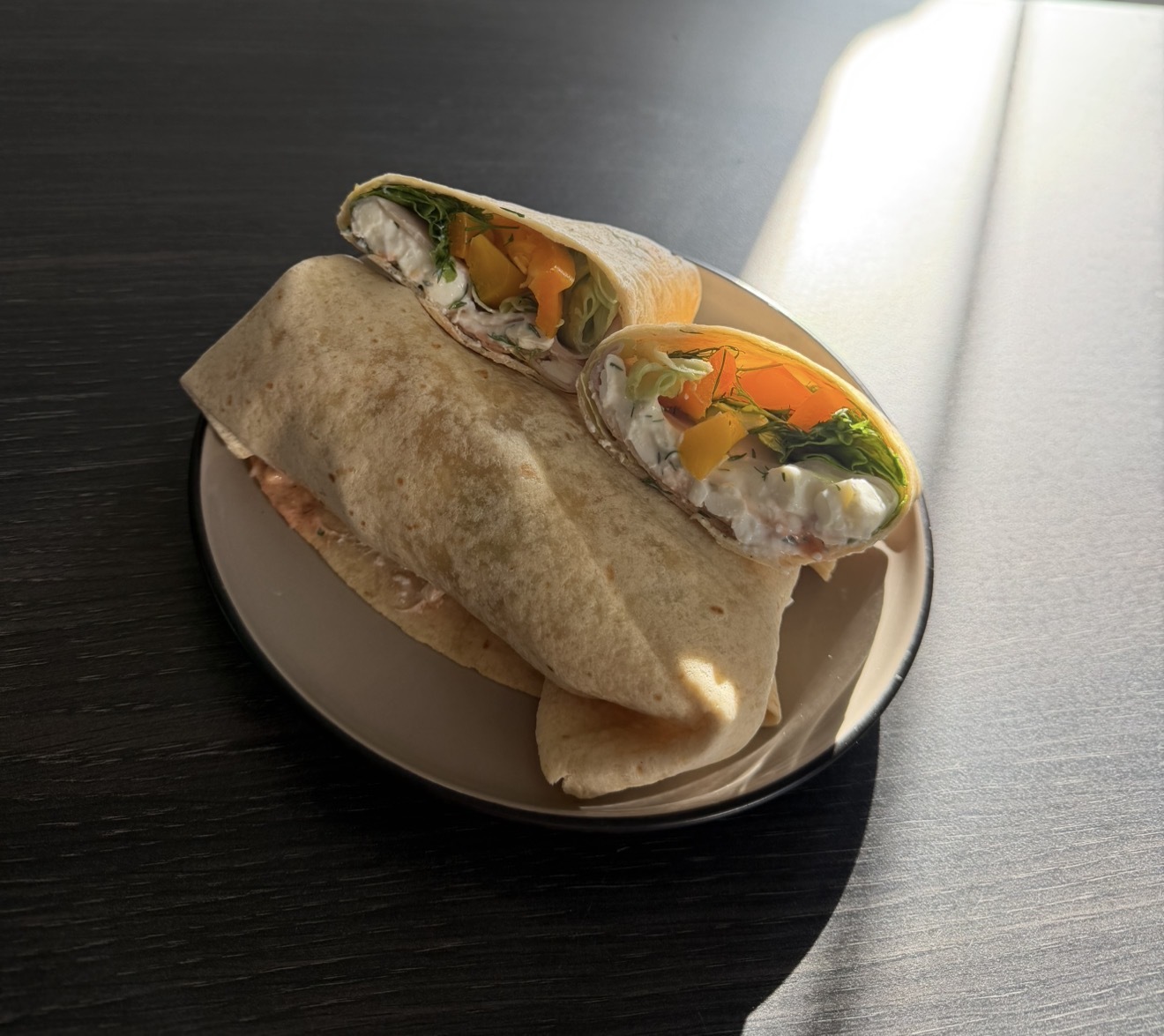
Spread cottage cheese onto a wrap, then add salad leaves, peppers and your favourite vegetables. Season to taste, fold tightly and serve.
Choose a filling you enjoy. Add extra vegetables for crunch, and adjust the number or size of wraps to suit your needs.
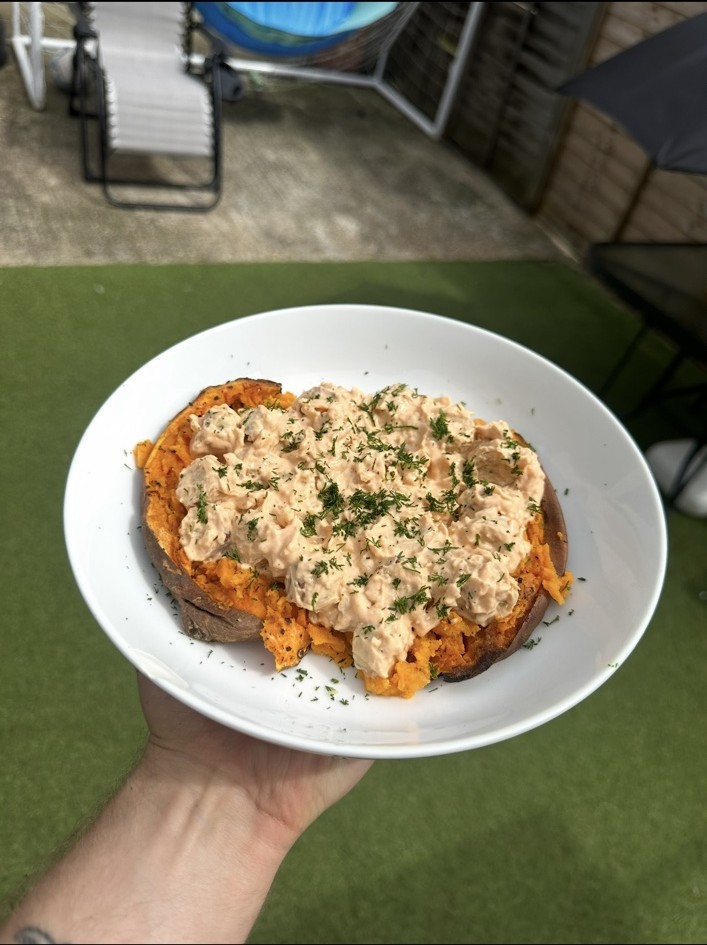
Bake a sweet potato until soft. Split it and add a cooked protein filling mixed with yoghurt, herbs and seasoning. Serve with salad.
Try chicken, tuna or beans for the filling. This is a serving idea inspired by the photo; the exact original ingredients are not confirmed.
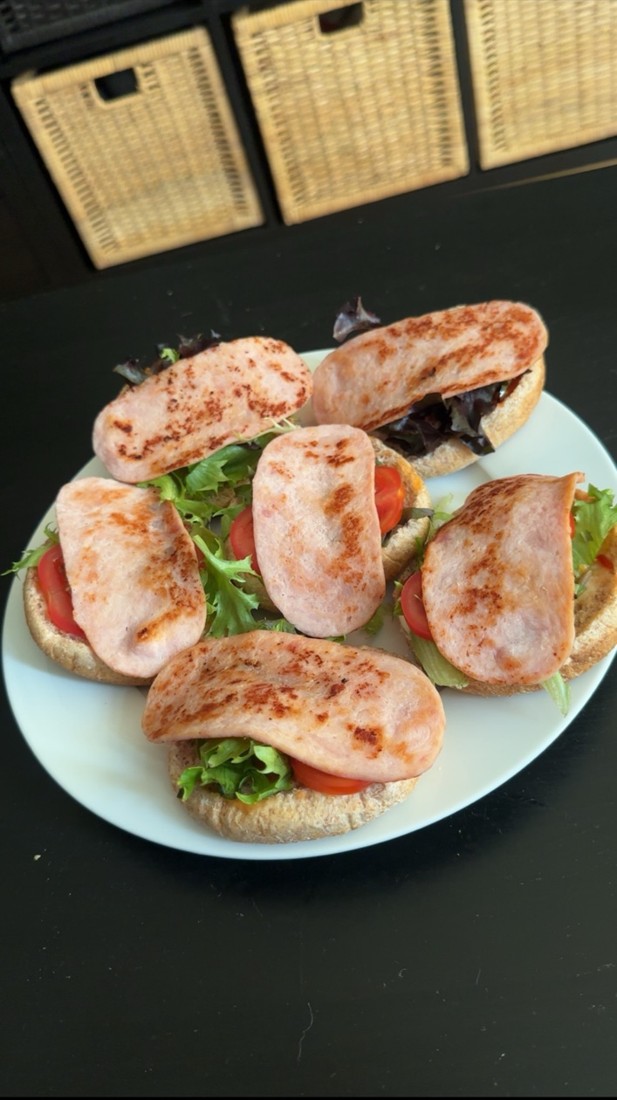
Top toasted bread with salad leaves, sliced tomato and cooked lean protein. Season and finish with a sauce you enjoy.
Wholegrain bread can add fibre. Make a smaller snack plate or a larger lunch depending on your needs.
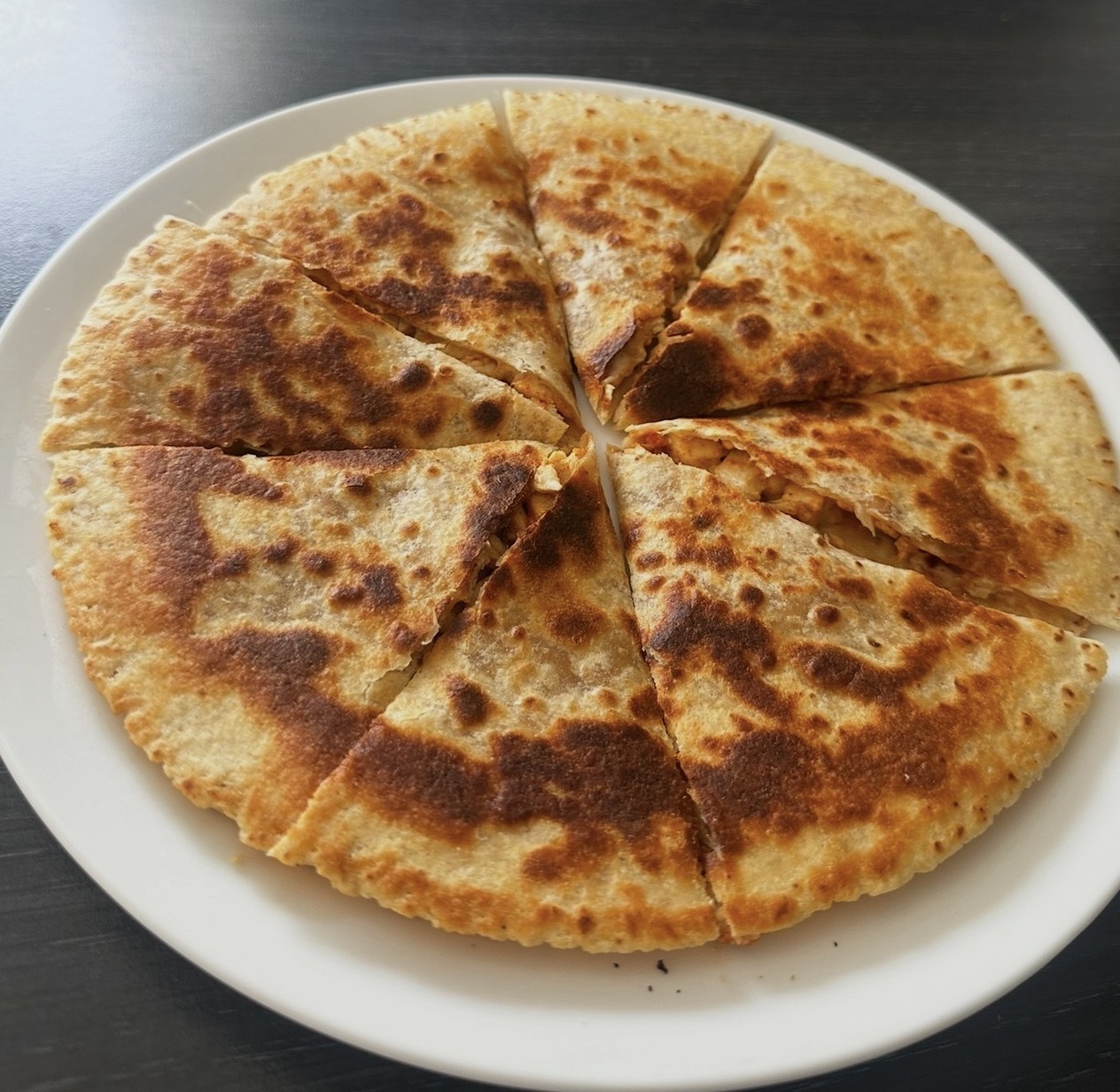
Fill a tortilla with cooked chicken or beans, peppers and a little grated cheese. Fold and toast in a pan until hot throughout, turning carefully. Cut into wedges.
Add a side salad or salsa. Use more filling rather than relying only on extra cheese when you want a more substantial meal.
PUT IT INTO PRACTICE
Weight loss requires eating less energy than you use over time. Start with small, sustainable changes: plan regular meals, include a protein source and vegetables, and pay attention to snacks, drinks, oils and sauces.
Avoid judging progress by one day on the scales. Look at the overall trend alongside your energy, hunger and training. A plan that leaves you constantly exhausted or ravenous needs adjusting.
Give your body a reason to build muscle through progressive resistance training, and support it with adequate food, protein and rest. Include protein foods across your meals rather than relying on a single large serving.
Carbohydrates such as oats, potatoes, rice and fruit help fuel training. Keep fats and a variety of fruit and vegetables in your routine too.
Bulking is a gradual weight-gain phase to support muscle building. Add food in manageable steps, such as a larger carbohydrate portion or an extra snack, then review how your weight and training are changing.
More calories do not automatically mean more muscle. Aim for steady progress and adjust if your intake is causing uncomfortable fullness or faster weight gain than intended.
Build a repeatable pattern of meals and activity that leaves your weight broadly stable over time. Your needs can change with steps, training, work and routine.
You don’t need identical meals every day. Use familiar portions as your starting point, and make small adjustments when your activity or appetite changes.
No. Some people find tracking useful, while others prefer consistent meal patterns and portion adjustments. Choose an approach you can sustain. Photos alone cannot tell us exact calories or macros.
Choose two or three favourite main meals, write a shopping list, cook useful staples in batches and keep quick options available. Use frozen fruit and vegetables for convenience and variety.
Yes. Consider your overall pattern rather than labelling individual foods good or bad. Include variety and enjoyable meals while keeping your goal in mind.
General education for adults, not a personalised prescription. For medical conditions or specialist dietary needs, seek a registered dietitian.
A free 30-minute kickstart session to experience what working with a personal trainer is like. Let’s talk about your goals and take that first step together.
Arrange your free session ↗